Creating a relaxing home workspace is essential for maintaining focus and well-being when working from home. A thoughtfully designed environment can help reduce stress, increase productivity, and make your workday more enjoyable. Whether you have a dedicated room or a small corner, these tips will help you transform your space into a calm and productive area.
Choose the Right Location
Selecting the best spot in your home for your workspace is the first step. Ideally, choose a quiet area with natural light and minimal distractions. Natural light not only boosts mood but also reduces eye strain. If windows aren’t an option, invest in good-quality lighting that mimics daylight.
Consider Privacy and Noise Levels
If possible, pick a room or area away from common traffic paths at home. Using noise-canceling headphones or soft music can also help minimize distracting sounds.
Invest in Comfortable Furniture
Comfortable, ergonomic furniture is key to a relaxing workspace. A supportive chair and a desk at the right height can prevent discomfort and injury over time.
Ergonomic Tips
– Choose a chair with adjustable height, back support, and armrests.
– Position your computer screen at eye level to avoid neck strain.
– Keep your feet flat on the floor or use a footrest.
Declutter and Organize
A cluttered workspace can cause unnecessary stress and hinder your ability to focus. Keep your desk tidy by organizing essential items within reach and storing away unused materials.
Decluttering Strategies
– Use organizers like trays, drawers, or shelves.
– Regularly sort through papers and digital files.
– Keep only what you need for current tasks on your desk.
Incorporate Calming Colors and Decor
Colors have a strong effect on mood and focus. Soft, neutral, or pastel tones like blues, greens, and beiges promote calmness and concentration.
Personalize Mindfully
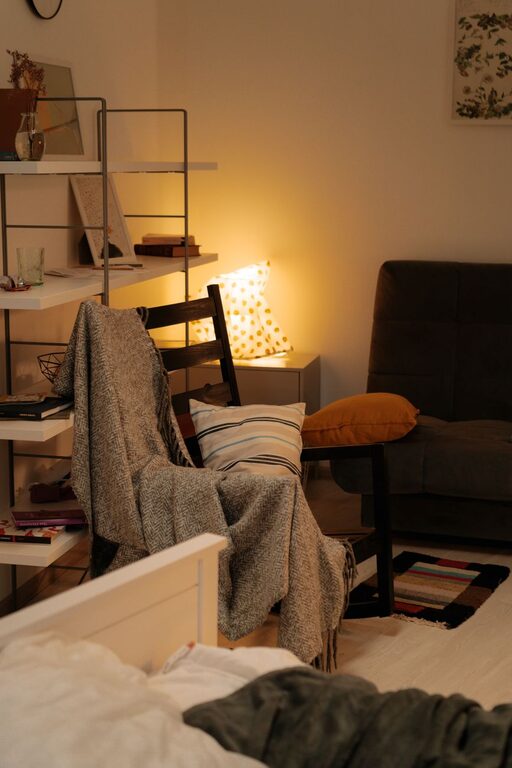
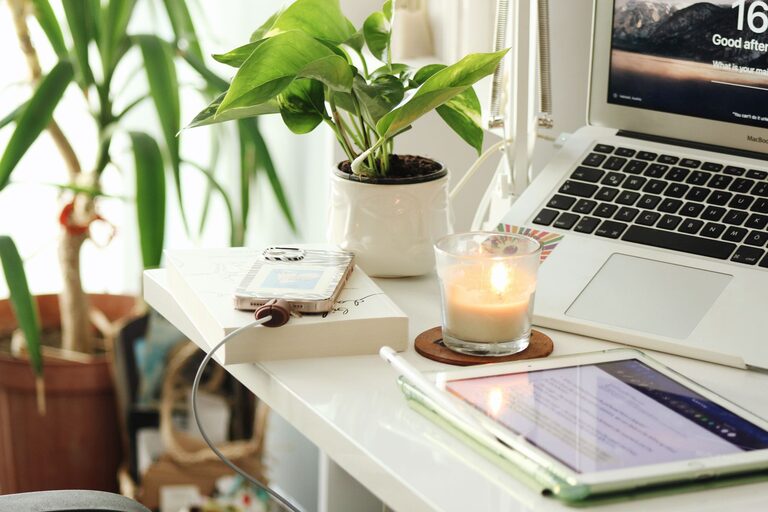
Adding personal touches can make your workspace feel welcoming but avoid overcrowding. A few plants, artwork, or inspiring quotes can boost positivity without creating clutter.
Manage Lighting Effectively
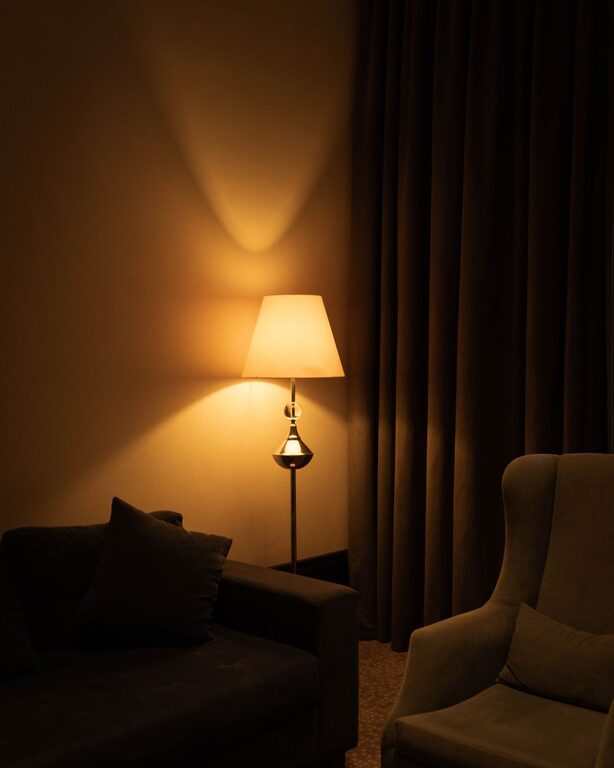
Good lighting is crucial to avoid eye fatigue and maintain alertness.
– Use adjustable desk lamps for focused tasks.
– Combine natural and artificial light to reduce harsh shadows.
– Consider screen filters or adjust monitor brightness for comfort.
Create a Routine and Boundaries
To keep your workspace relaxing, establish routines and boundaries around work times.
– Set regular breaks to stretch and move.
– Keep work and personal life separate by “closing” your workspace when done.
– Communicate your schedule to family or housemates.
Incorporate Elements for Stress Relief
Adding items or habits that relax you can make your workspace more inviting.
– Keep a small diffuser with calming essential oils like lavender.
– Include a stress ball or fidget toy.
– Play soft background music or nature sounds if it helps you concentrate.
Maintain Air Quality and Temperature
Fresh air and comfortable temperature are often overlooked but important.
– Open windows when possible to circulate air.
– Use a small fan or heater to adjust temperature.
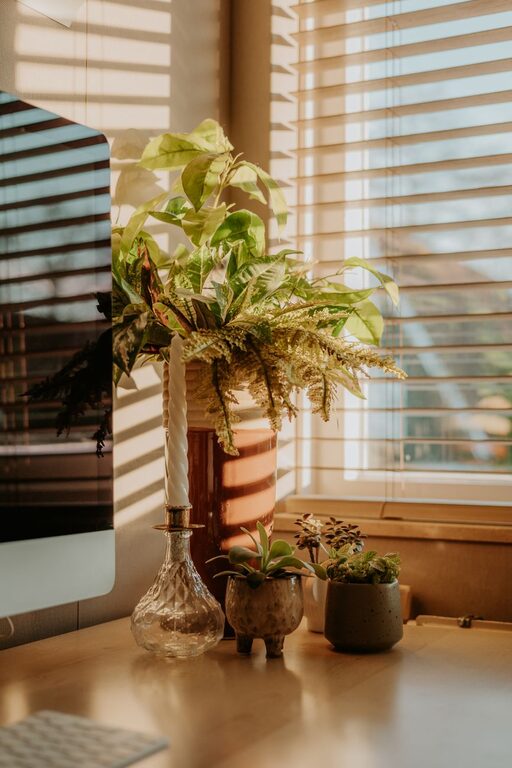
– Add indoor plants that improve air quality.
Regularly Refresh Your Workspace
To keep your space inspiring and functional, update it periodically.
– Rotate decor or rearrange furniture.
– Clean your desk and equipment routinely.
– Try new organizational tools.
—
Creating a relaxing home workspace is about combining comfort, organization, and personal style to foster productivity and well-being. By following these tips, you can design a space that makes working from home more pleasant and efficient. Remember, your workspace should support your needs and help you feel calm throughout your day.
About the Author